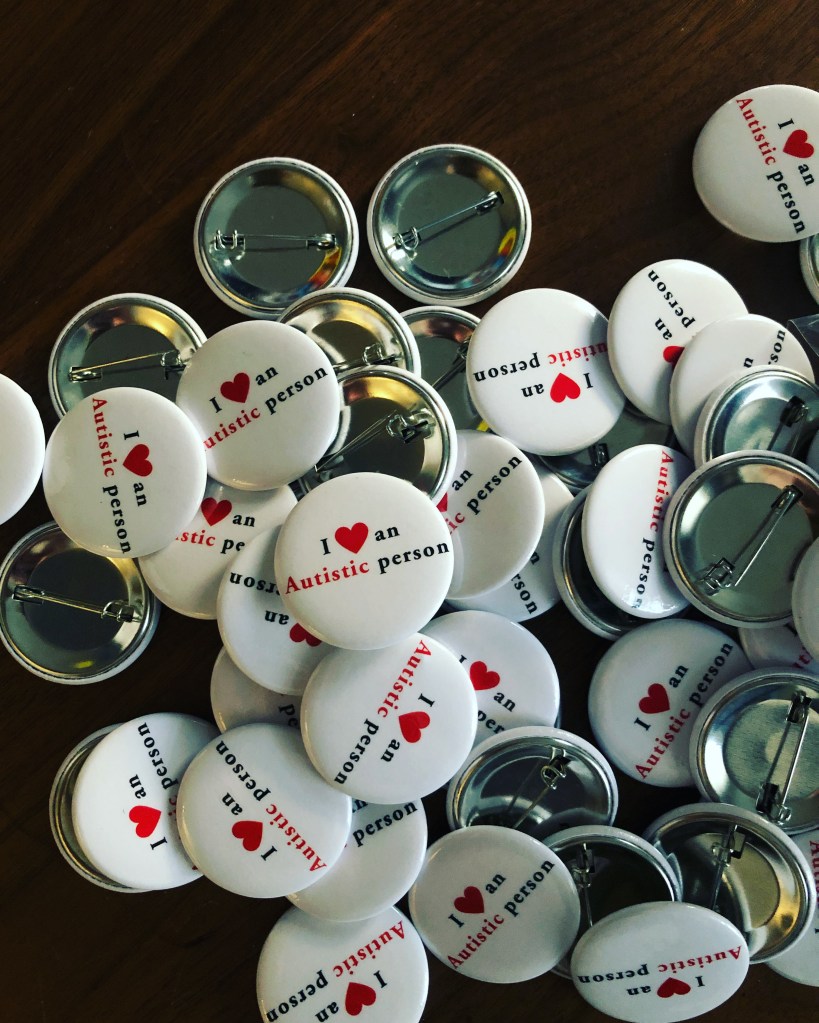
We are traveling for the first time on an airplane since the COVID-19 lockdowns this Christmas. I’m a little nervous about the flight and the possible long lines we may encounter in the airport. I’m sure my son is going to be super excited and I find that long lines, lack of sleep and airports in general don’t always bring out the best in people.
I wanted to make a visual item that each of my family can wear to show that my son is autistic. I have found that over the years other people don’t always reach the conclusion that my son is autistic and instead they explain his behaviors to their children as ‘he doesn’t know better’ or ‘he is just being naughty’.
I hope that having a visual aid would allow people to make the connection, stop and think, and also allow for a conversation and an opportunity to learn. So I decided to make pins that can be worn not only when traveling, but all the time. My first design was as follows:
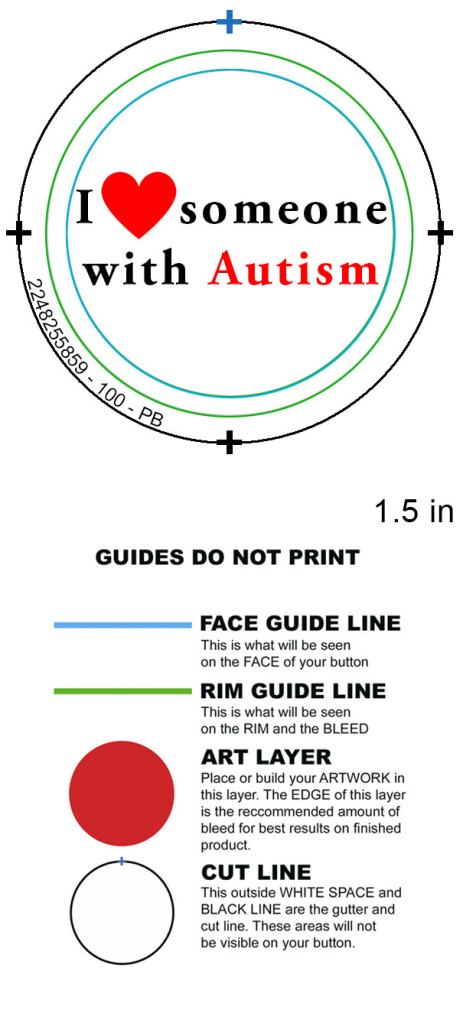
I wanted to highlight autism and love, but after I placed the order, the design was just not sitting right with me. I have spent a lot of time trying to learn about autism from autistic people as I want to be the best ally to my son as possible (he is only 7 and is not able to explain his preferences yet). However, I realized that how I had originally written the language on the pin had put the person before their condition (this is an example of person-first language). The problem with this is it tries to separate autism from the person.
The majority of the autistic community prefers to use identity-first language, as it shows an understanding that autism cannot be separated the individual. Autism is not a switch that my son can turn on or off depending on the situation. It is who he is. So fortunately I was able to change the design to:
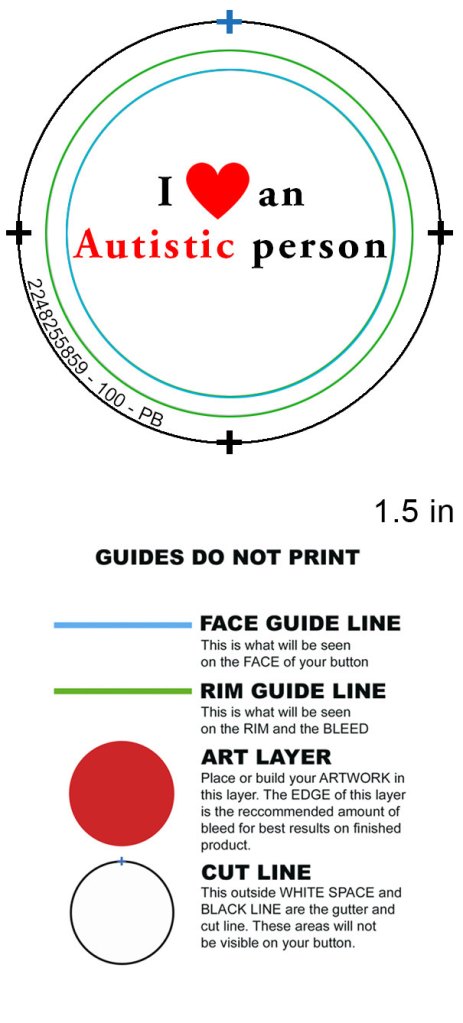
I’m really pleased with how they now look and I’m excited to be able to wear them, start conversions, and hand them friends and family.
 The Pajama Gang
Hi, thank you for this. I understand where you are coming from. It is however easier in my 1st language to say ‘with autism’, but I agree in English (my 2nd language) it makes complete sense how you explained it here 🙂
LikeLike